
Bible Passage: John 15:12–17
Big Idea: Christlike love transforms our relationships and community, inviting us to live out our faith through acts of selfless love modeled by Jesus Himself.
Opening Thought
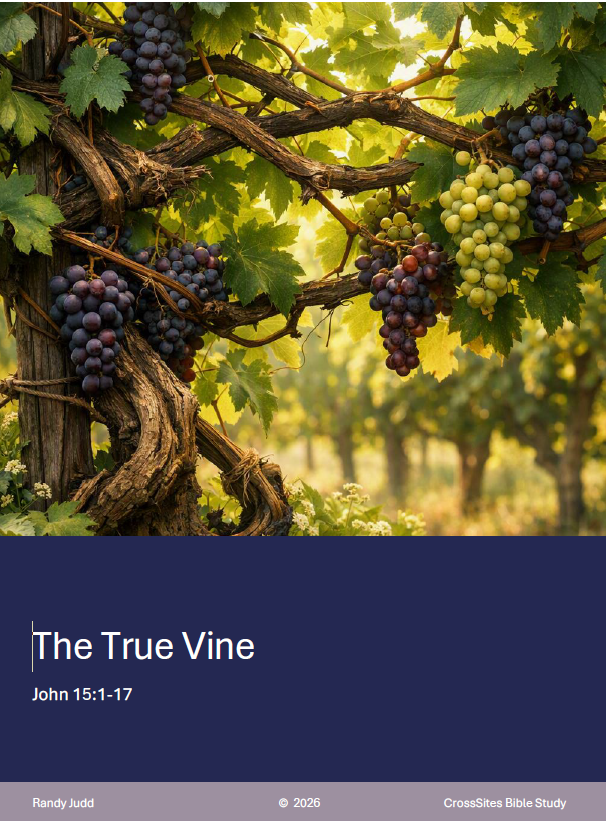
Deep down, every heart longs to be loved. Yet many of us have learned to think of love mainly as a feeling, approval, attraction, or something that brings us comfort. We often say we love what pleases us, benefits us, or makes us feel good. But in John 15:12-17, Jesus gently lifts our eyes to a greater love—the love He has shown us. He tells His disciples to love one another as He has loved them, and He shows that the highest expression of love is the giving of one’s life for friends. He calls them friends, not servants, because He has opened His heart to them and made known what He received from the Father. This passage is not merely a call to try harder or be nicer; it is an invitation to stay close to Christ, for only those who abide in the Vine can bear the fruit of His love.
Jesus speaks these words in a tender and weighty moment with His disciples. His farewell teaching has begun, the cross is drawing near, Judas has stepped out into the darkness, and the disciples are troubled, confused, and soon to be scattered. Yet Jesus does not leave them with fear as the final word. He draws them close and speaks of abiding in Him, bearing fruit, walking in obedience, receiving His joy, and loving with His own love. In that holy moment, He gives them a command that is simple enough to understand but impossible to live apart from His grace: “love one another as I have loved you.”
Love Takes Sacrifice
12 “This is my commandment, that you love one another as I have loved you. 13 Greater love has no one than this, that someone lay down his life for his friends.
Jesus begins, “This is My commandment.” That word matters because He does not present love as a suggestion, preference, or optional act of kindness. For those who follow Him, love is obedience to Christ as Lord. It may at times feel joyful and natural, but often it calls us to patience with difficult people, forgiveness toward those who have wounded us, quiet service without recognition, and mercy when pride would rather seek revenge. Jesus commands love because it is too important to be governed by feelings alone.
He then tells us the measure of that love: “love one another as I have loved you.” The small word “as” carries great weight. We are not free to define love by culture, convenience, approval, or emotion. We are called to love as Jesus loves—with patience when others are slow to understand, humility that stoops to serve, truth that corrects with grace, compassion that restores the broken, faithfulness toward the weak, and sacrifice that gives itself for another’s good.
Jesus brings this love to its highest expression when He says, “Greater love has no one than this, than to lay down one’s life for his friends.” Love is not proven merely by words, promises, or intentions; it is revealed by what it is willing to give. This verse points us to the cross, where Jesus does more than teach about love—He embodies it. He lays down His life not because we are worthy, impressive, or easy to love, but because His love is gracious, holy, and self-giving. At the cross, the greatest love is displayed at the greatest cost.
When believers love one another in this way, the church becomes a living sermon. People may debate our doctrine, question our motives, or misunderstand our worship, but Christlike love gives visible testimony to the reality of Jesus. A church marked by forgiveness, service, patience, and unity shows the world something it cannot explain apart from the grace of God.
Takeaway: Christlike love flows from abiding in Jesus. This week, ask the Lord to show you one person you can love with patience, humility, and sacrifice as a witness to His grace.
Love Promotes Friendship
14 You are my friends if you do what I command you. 15 No longer do I call you servants, for the servant does not know what his master is doing; but I have called you friends, for all that I have heard from my Father I have made known to you.
To understand the weight of Jesus’ words, we need to remember how servants were often viewed in the ancient world. A servant might obey faithfully, yet still remain outside the master’s confidence, carrying out commands without knowing the larger purpose behind them. Jesus does not erase the language of servanthood, because He remains Lord; instead, He graciously adds something deeper. He tells His disciples they are not merely servants but friends, because He has made known to them what He heard from the Father. In this way, friendship with Jesus holds together two precious truths: nearness to His heart and submission to His authority.
This makes His next words all the more astonishing. That Jesus would call sinners His friends is an act of grace beyond measure. The word philos carries the idea of a beloved friend or close companion, reminding us that Jesus is not distant, cold, or indifferent toward those who belong to Him. He draws His people near and welcomes them into real relationship with Him. At the same time, this closeness never weakens His lordship. When Jesus says, “You are my friends if you do what I command you,” He teaches that friendship with Him is marked by willing obedience. We do not obey to earn His love; we obey because His love is shaping our hearts.
From there, Jesus shows that His friendship is not shallow sentiment but gracious revelation. He invites His disciples into understanding, not merely activity. A servant may receive commands without knowing the reason behind them, but Jesus has revealed the Father’s heart, purposes, and redemptive plan. Even more, He does not simply give them the title of friends; He proves His friendship at the cross. His sacrifice becomes the foundation of the relationship, and our obedience becomes the grateful response of love.
For that reason, John 15:14–15 calls us to live with both reverence and confidence. We should never treat Jesus casually, as though His friendship makes His commands optional. Yet neither should we approach Him as distant strangers. He has drawn us near, spoken to us, revealed the Father to us, and called us His friends. Because Jesus is our Friend, we may come to Him honestly. Because Jesus is our Lord, we come obediently. And because His commands flow from the Father’s heart, we can trust that they are not burdensome restrictions but loving instructions that lead us into fruitful life.
Takeaway: Friendship with Jesus brings us near to His heart and gladly submits us to His loving lordship.
Love Guides Purpose
16 You did not choose me, but I chose you and appointed you that you should go and bear fruit and that your fruit should abide, so that whatever you ask the Father in my name, he may give it to you. 17 These things I command you, so that you will love one another.
In John 15:16–17, Jesus begins with a truth that is both humbling and comforting: “You did not choose Me, but I chose you.” Our relationship with Christ does not rest on personal worth, spiritual success, or perfect understanding; it begins with His gracious initiative. This gives believers security, because the One who chose them is faithful to sustain them. It also produces humility, since no one can boast as though faith began with human greatness, and trust, because Christ does not choose carelessly. If He has called His people to Himself, He will also equip them for the work He gives.
Jesus did not choose His disciples merely for comfort, privilege, or private blessing. He appointed them “to go and bear fruit,”showing that the Christian life is active and missional. Believers are sent into the world to reflect Christ’s character, serve others, proclaim the gospel, make disciples, and leave a lasting spiritual impact. This fruit includes changed character, loving conduct, faithful witness, and the growth of others in Christ. It is not measured only by immediate results, because lasting fruit endures when it flows from abiding in Jesus rather than depending on human effort alone.
Jesus connects fruit-bearing with prayer: “whatever you ask the Father in My name He may give you.” This promise is not permission to chase selfish desires, but an invitation to pray in harmony with His character, mission, and will. Prayer is the means God gives believers to depend on Him for power, wisdom, endurance, and usefulness. Fruitful mission cannot be separated from prayerful union with Christ. When disciples try to bear fruit without prayer, they become self-reliant; when they pray in Jesus’ name, they learn to desire what He desires and serve in God’s strength rather than their own.
Jesus concludes with the command, “love one another.” Love is not an optional addition to the Christian life; it is the mark of true discipleship. He knew His followers would differ in background, personality, and perspective, and that real tensions would come. So He calls them to pursue peace, forgive readily, honor one another, and protect the church’s unity. Backbiting, bitterness, disrespect, and unresolved conflict weaken the witness of God’s people, but love makes the fruit of Christ visible. The world should see in the church a people formed by the love of Jesus.
Takeaway: Because Jesus chose us, appointed us, and sustains us through prayer, we can bear lasting fruit by loving one another in His strength.
Application
John 15:12–17 calls us to move love from intention to action. Jesus does not command His people merely to feel affection, but to love as He has loved—with sacrifice, humility, obedience, and faithfulness. This means asking where our love has become selective, convenient, or shallow, and then bringing those places under the lordship of Christ. If Jesus laid down His life for us, then we cannot treat patience, forgiveness, service, and reconciliation as optional parts of discipleship.
A faithful response begins by abiding in Jesus. We love best when we stay close to the One who first loved us. This week, identify one relationship where Christ is calling you to reflect His love more clearly. Pray for the humility to serve, the courage to forgive, the wisdom to speak truth graciously, and the endurance to keep loving when it costs you something. Then take one concrete step of obedience—a conversation, an act of service, a word of encouragement, or a choice to pursue peace. The fruit Jesus desires is not produced by human effort alone, but by lives surrendered to Him and shaped by His love.
Discussion Questions
- What stands out to you about Jesus’ command to “love one another as I have loved you”?
- How does Jesus’ sacrificial love reshape the way we think about patience, forgiveness, service, and reconciliation?
- Why is it significant that Jesus calls His disciples friends rather than merely servants?
- How does prayer help us depend on Christ rather than relying on our own strength?
- What is one concrete step you can take this week to love someone with the love of Christ?
©2026 CrossSites Bible Study, St. Augustine, Fl 32092
{Unless otherwise indicated, Scripture verses are taken from the English Standard Version}
Study Guide for the complete study is available on our resources page.


Leave a comment